Brand Identity • UX Architecture • Information Design System
CLIENT
SCOPE
Brand Identity, UX Architecture, Interface & Information Design
Token → Entry Number → Login
The user journey was designed as a controlled, progressive flow:
Token → Entry Number → Login → Assessment → Report
The structure minimized cognitive load while ensuring data security and procedural clarity. Interaction patterns were simplified to support users with varying digital literacy levels. Sensitive self-assessment data required careful alignment between UX decisions and system constraints.

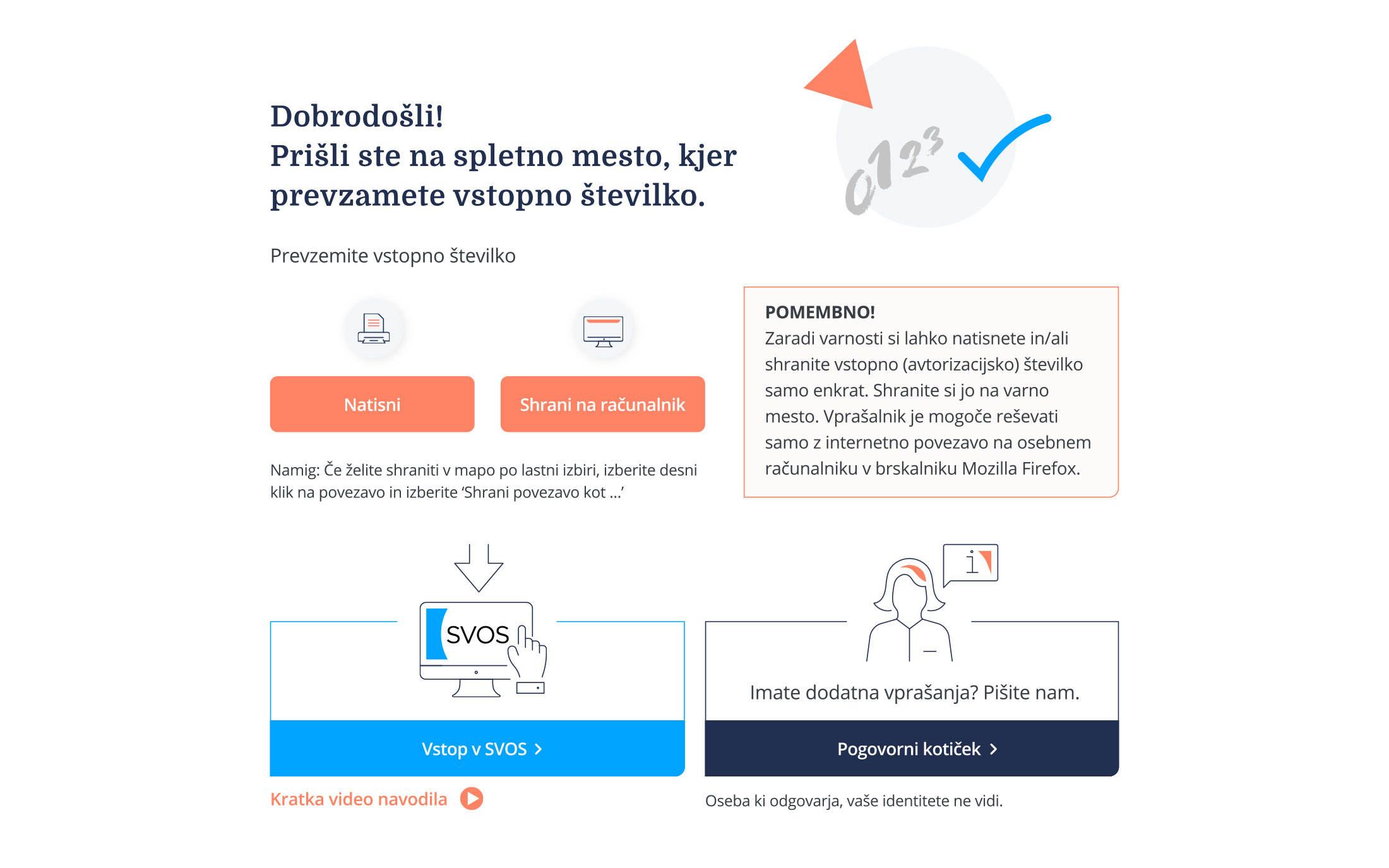
The assessment modules adapt to individual performance and conclude with a structured benchmarking report aligned with OECD standards.
VISUAL FRAMEWORK
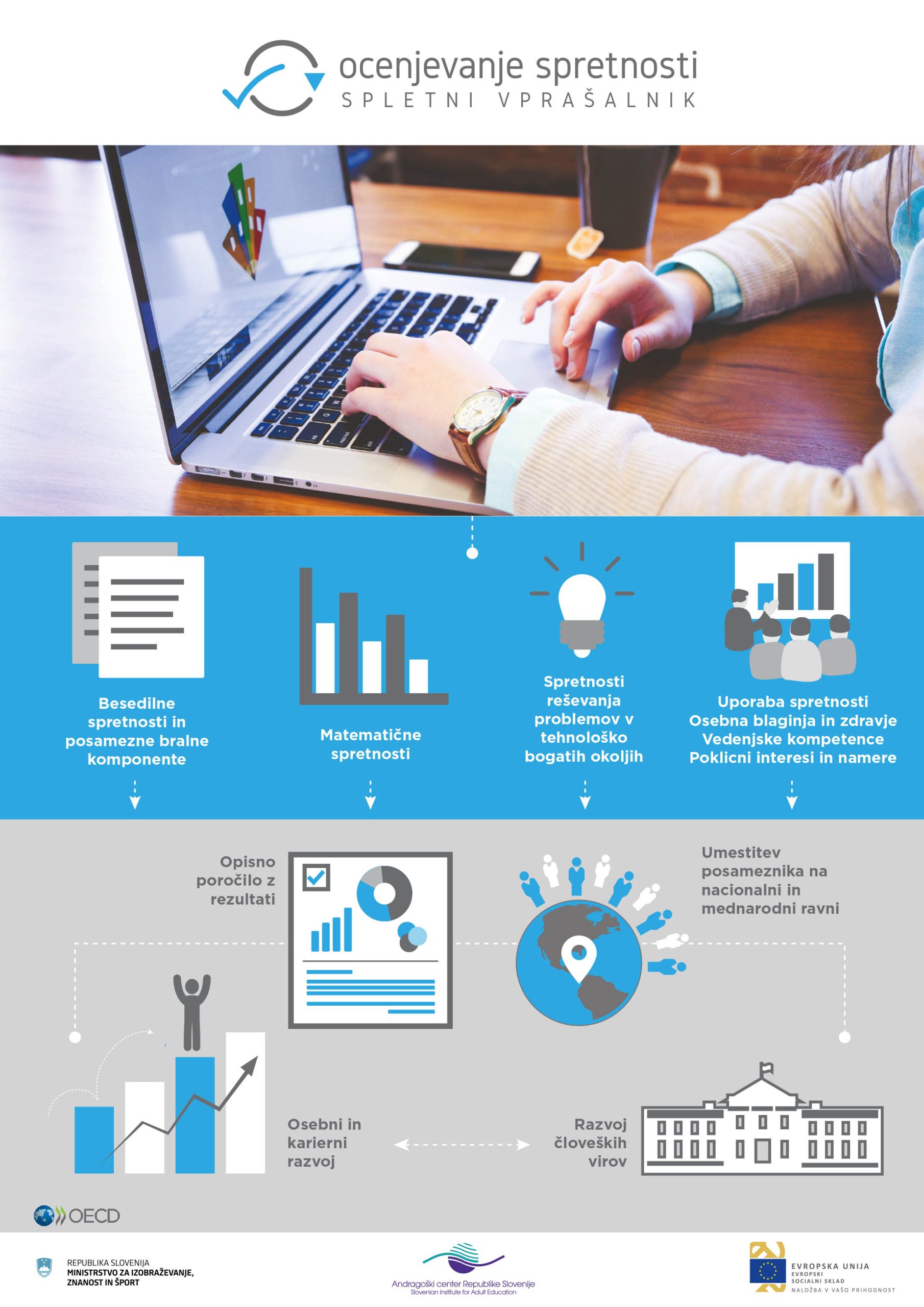
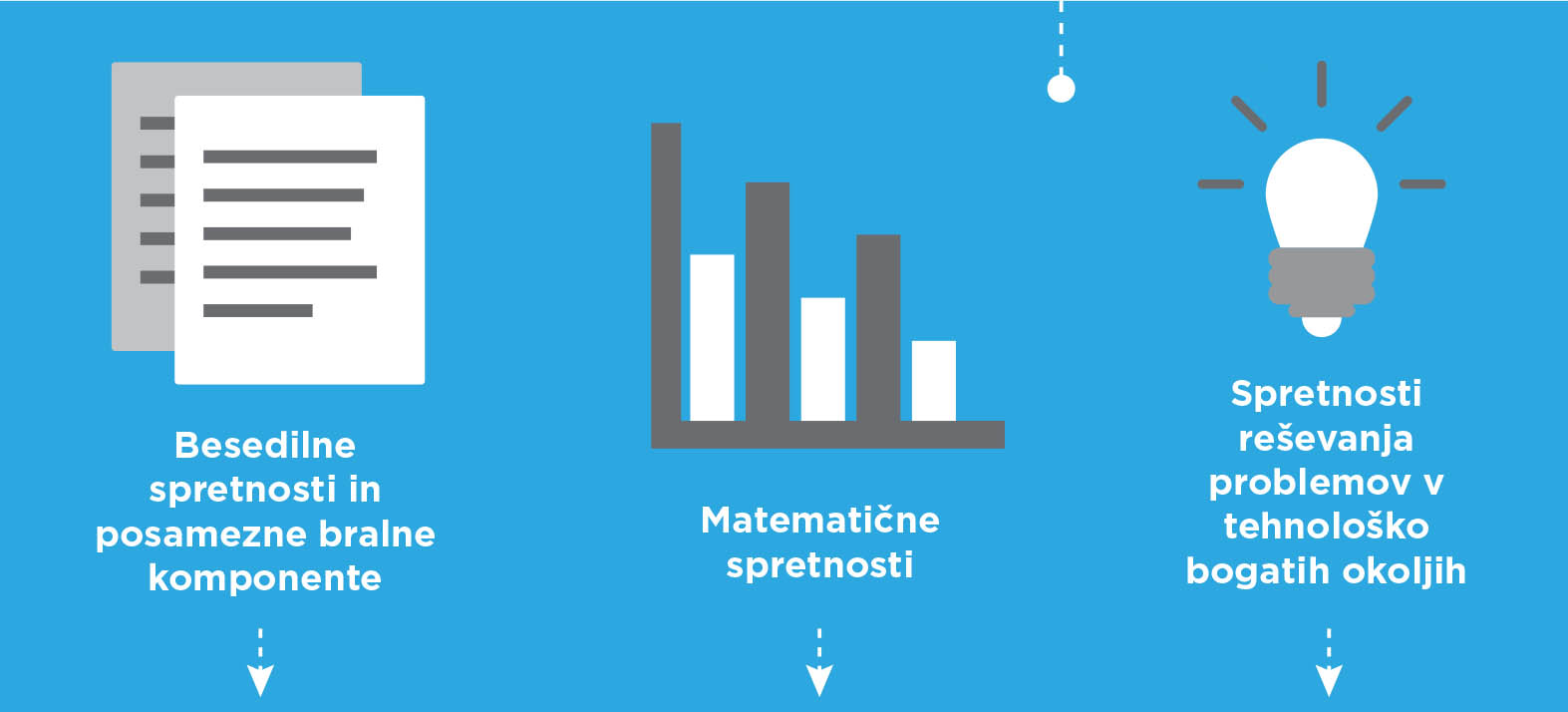
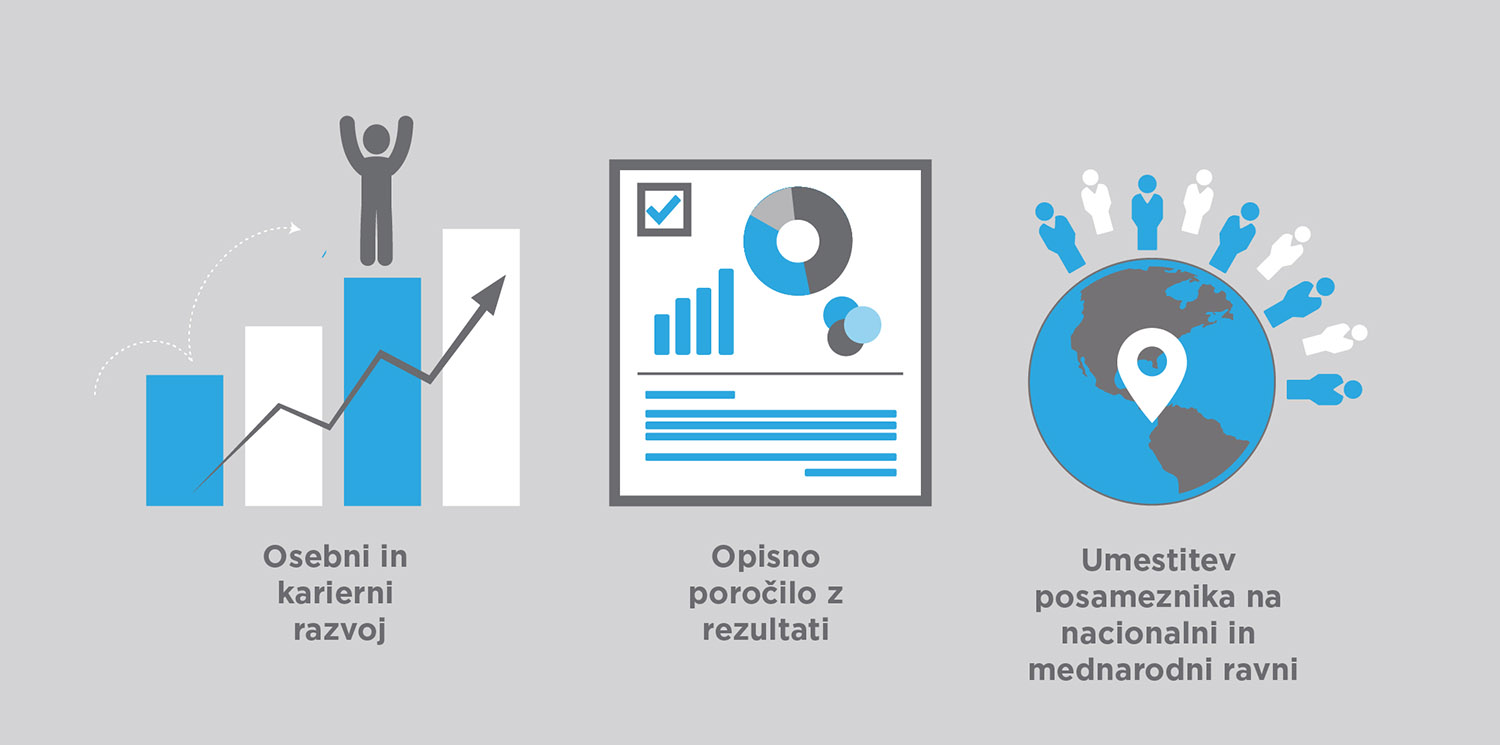




BACKEND LAYER
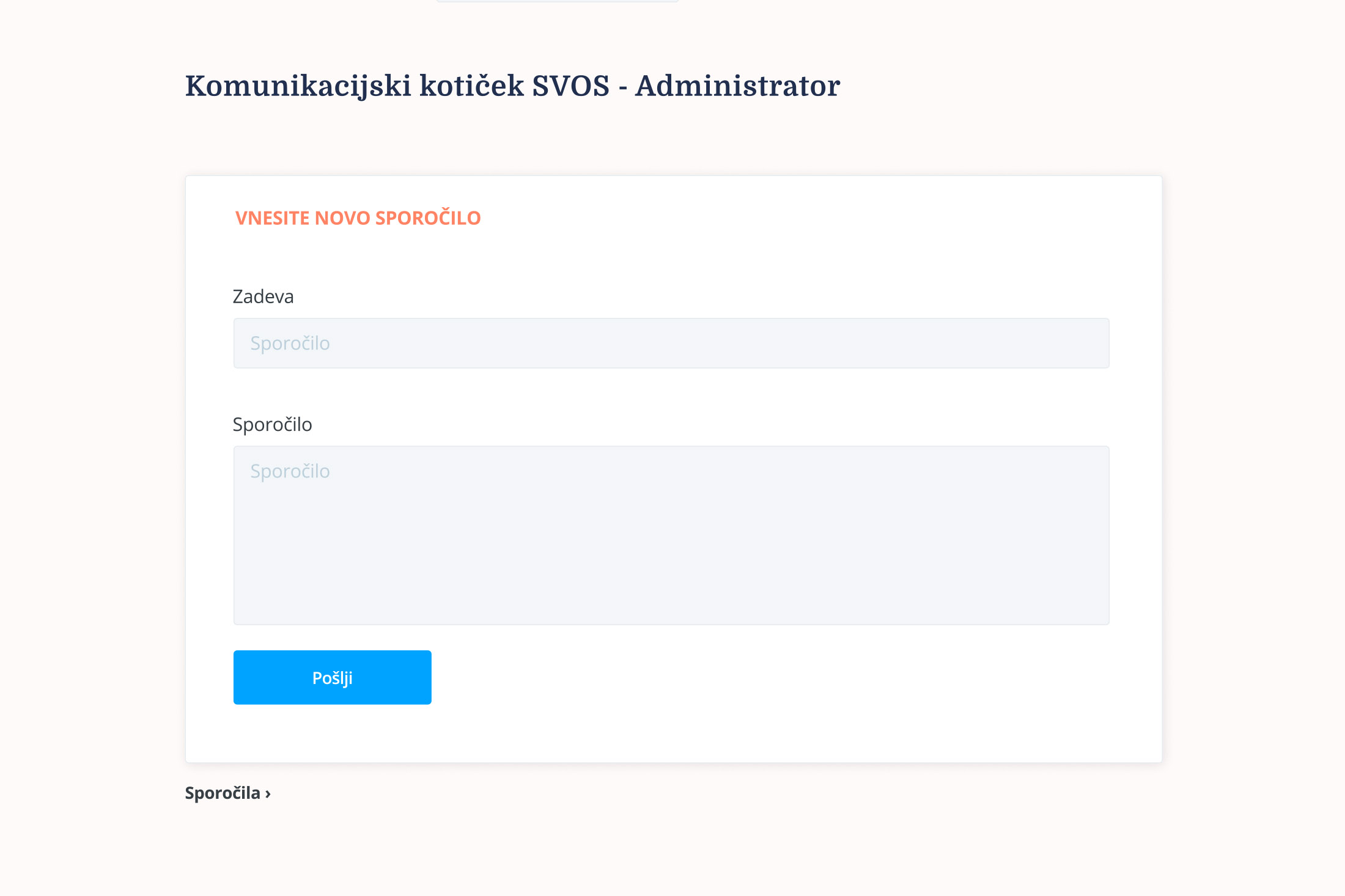
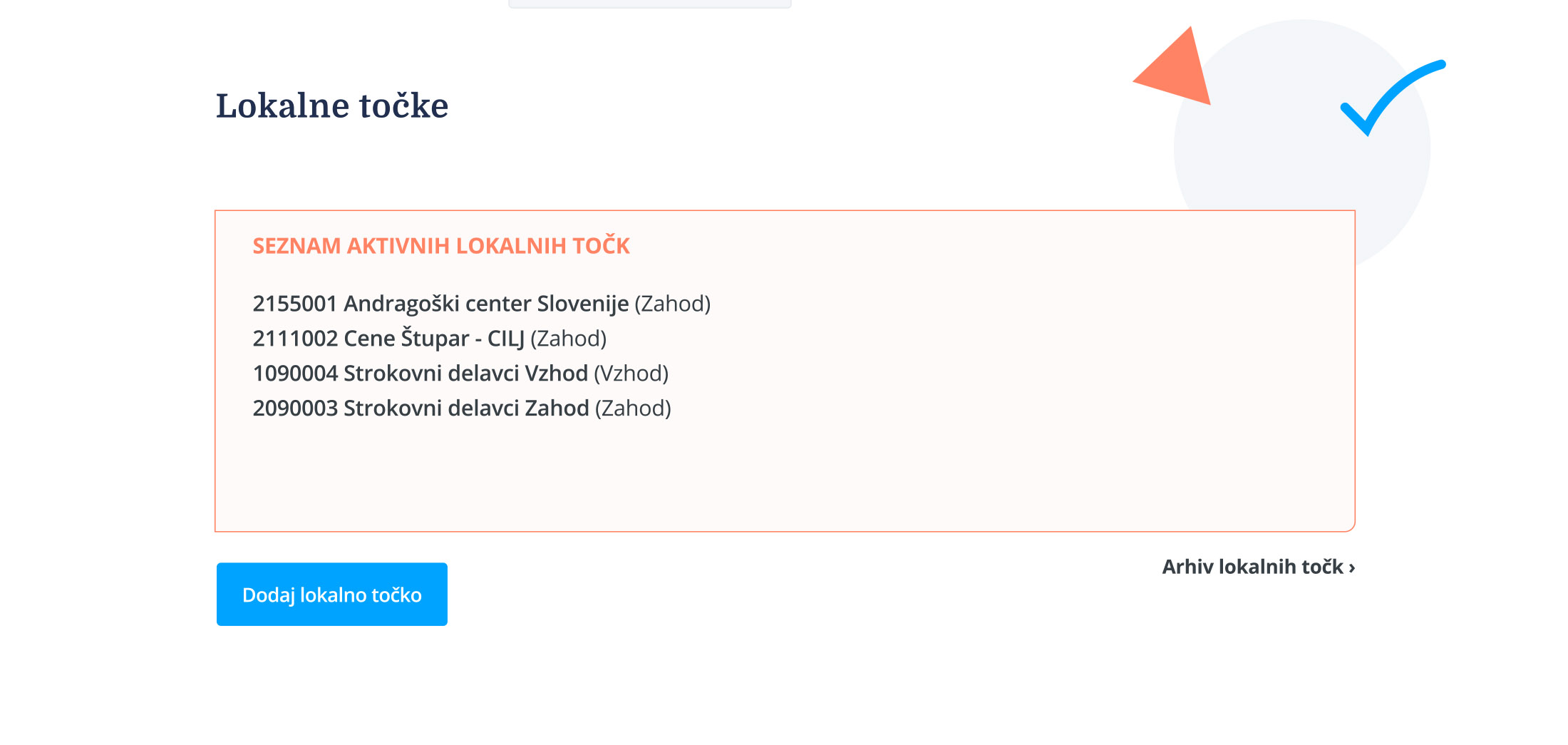
Beyond the public interface, the platform includes a structured administrative layer supporting national coordinators and local collaborators. The backend system was designed around role-based access, regional data distribution, secure handling of sensitive assessment results, and structured reporting workflows. UX decisions were aligned with technical constraints to ensure stability, scalability, and long-term maintainability of the system.
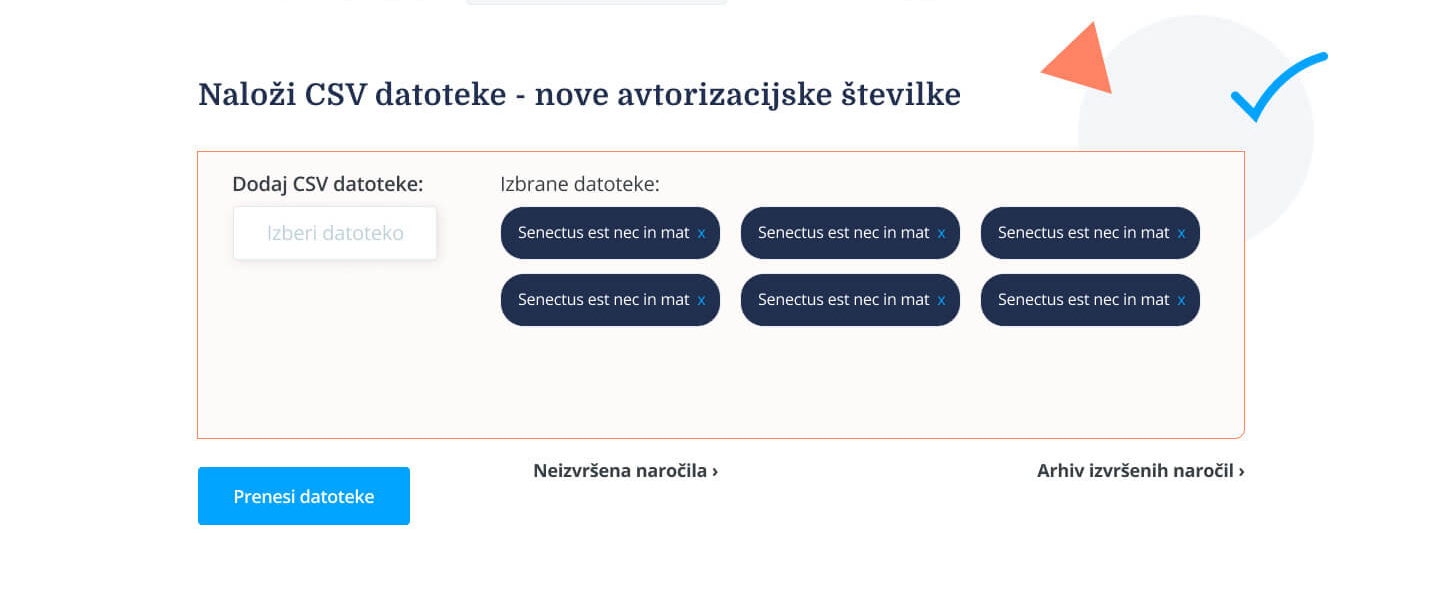
Local coordinators manage authorization numbers through batch CSV uploads. The interface was designed to reduce errors, provide clear file status feedback, and maintain structured database consistency.
• Designed and prototyped interface flows in Figma
• Iteratively refined layouts based on technical constraints
• Collaborated with development team to align component logic and data structures
• Ensured visual and structural consistency across modules
Close collaboration with backend developers ensured alignment between UX logic and technical architecture.
COMMUNICATION MATERIALS
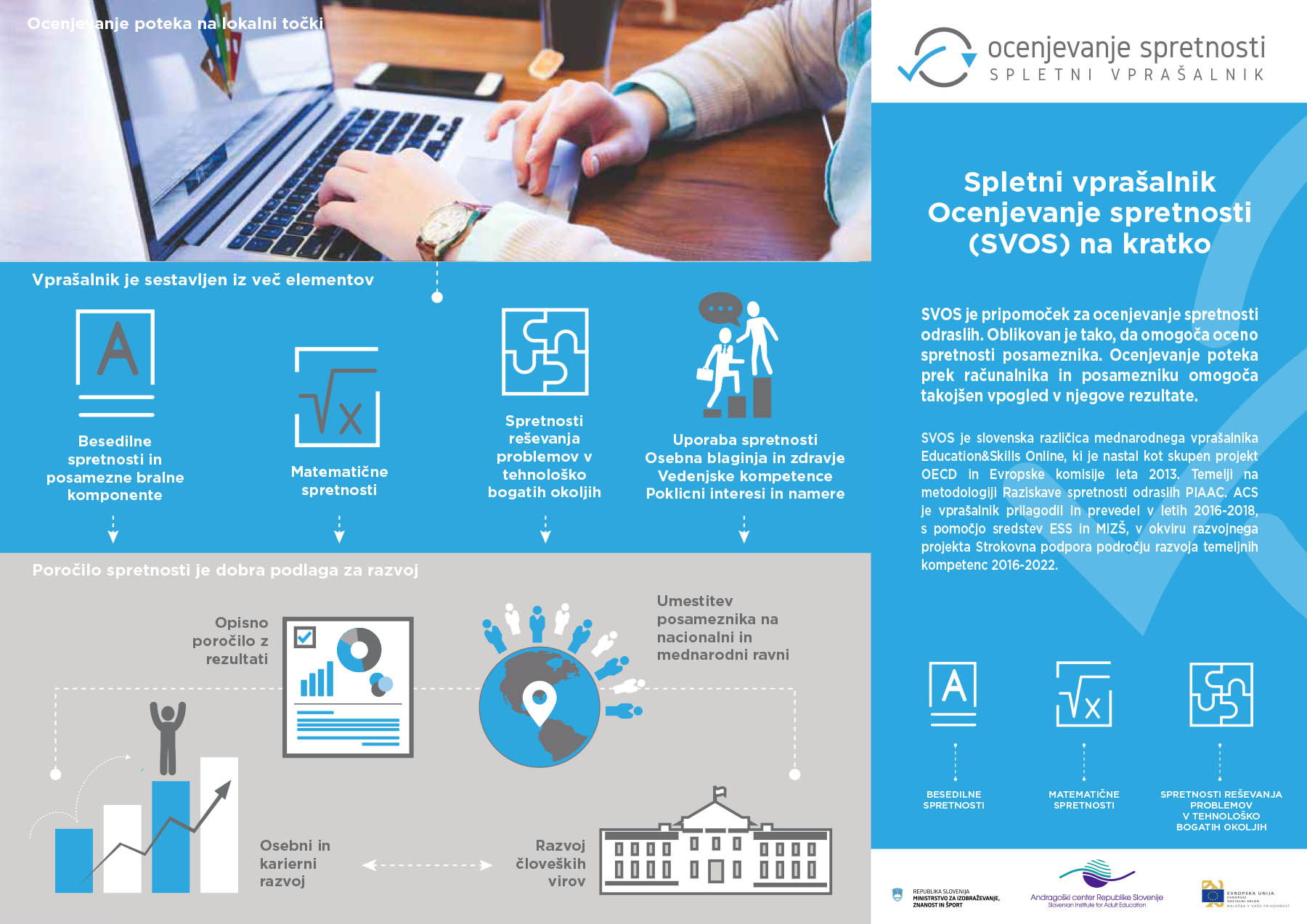
The visual system was extended into selected print materials to ensure consistency across digital and institutional touchpoints. Print assets supported onboarding, communication and stakeholder alignment.

Object
OUTCOME
SVOS integrates brand identity, UX architecture, interface design and backend structure into a unified national platform.
The result is a scalable digital system that balances usability, data integrity and institutional responsibility.