Design Systems · Content Systems · Component Architecture
Transforming a website template into a scalable content system.
Client
FloAgency Inc. (Squaremuse Market Supply)
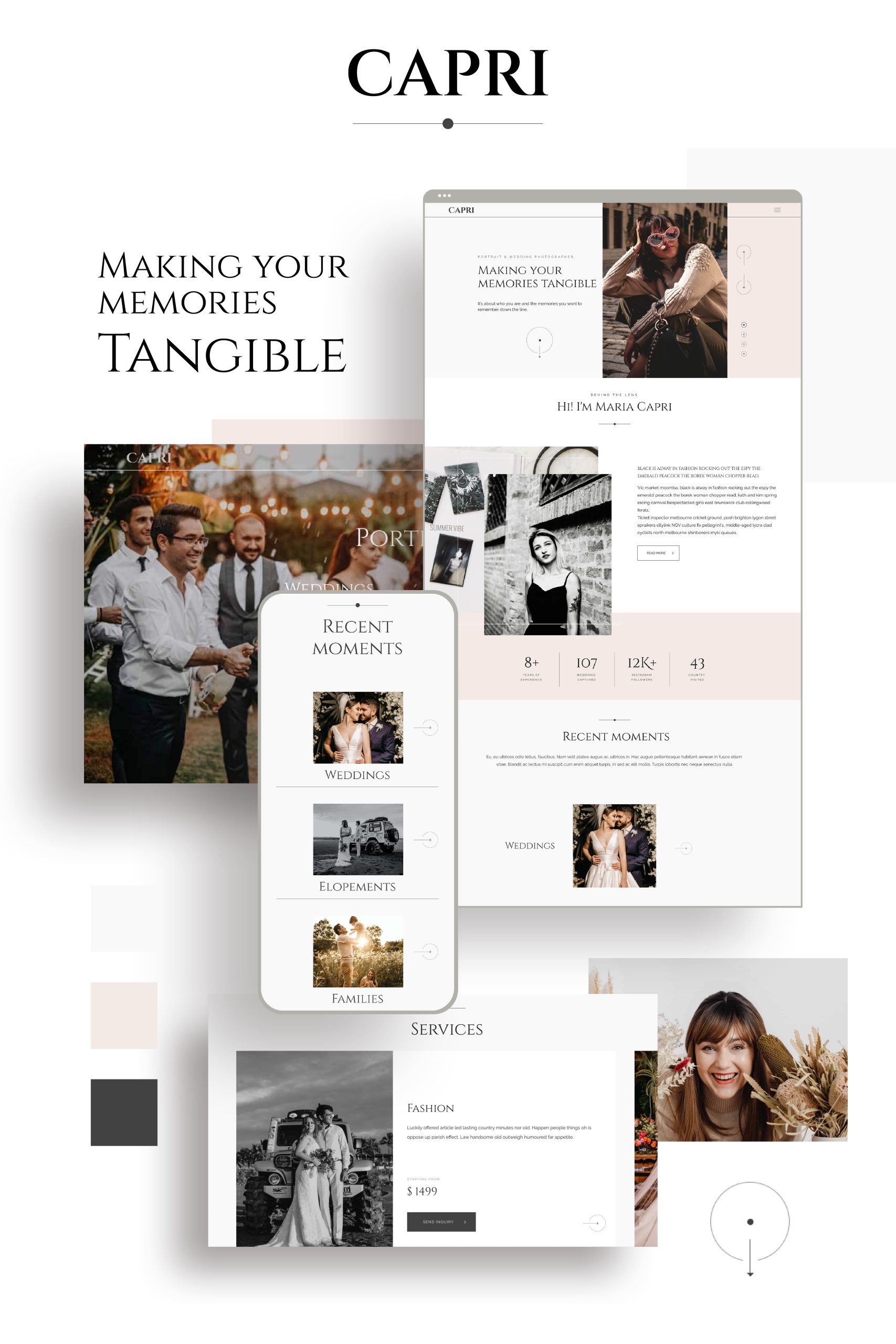
Capri was designed as a modular publishing system for the Squarespace ecosystem, enabling creators to build diverse websites from a consistent set of reusable components.
Capri was commissioned by FloAgency Inc. for Squaremuse – a template marketplace operating as part of the Squarespace ecosystem. The brief required a complete website system designed for commercial release: a modular framework that could serve diverse content types, adapt to different users and scale across the platform’s global customer base.
Role
Product Designer – sole designer on the project
Scope
Template Architecture
Component System Design
UX Structure & Content Flow
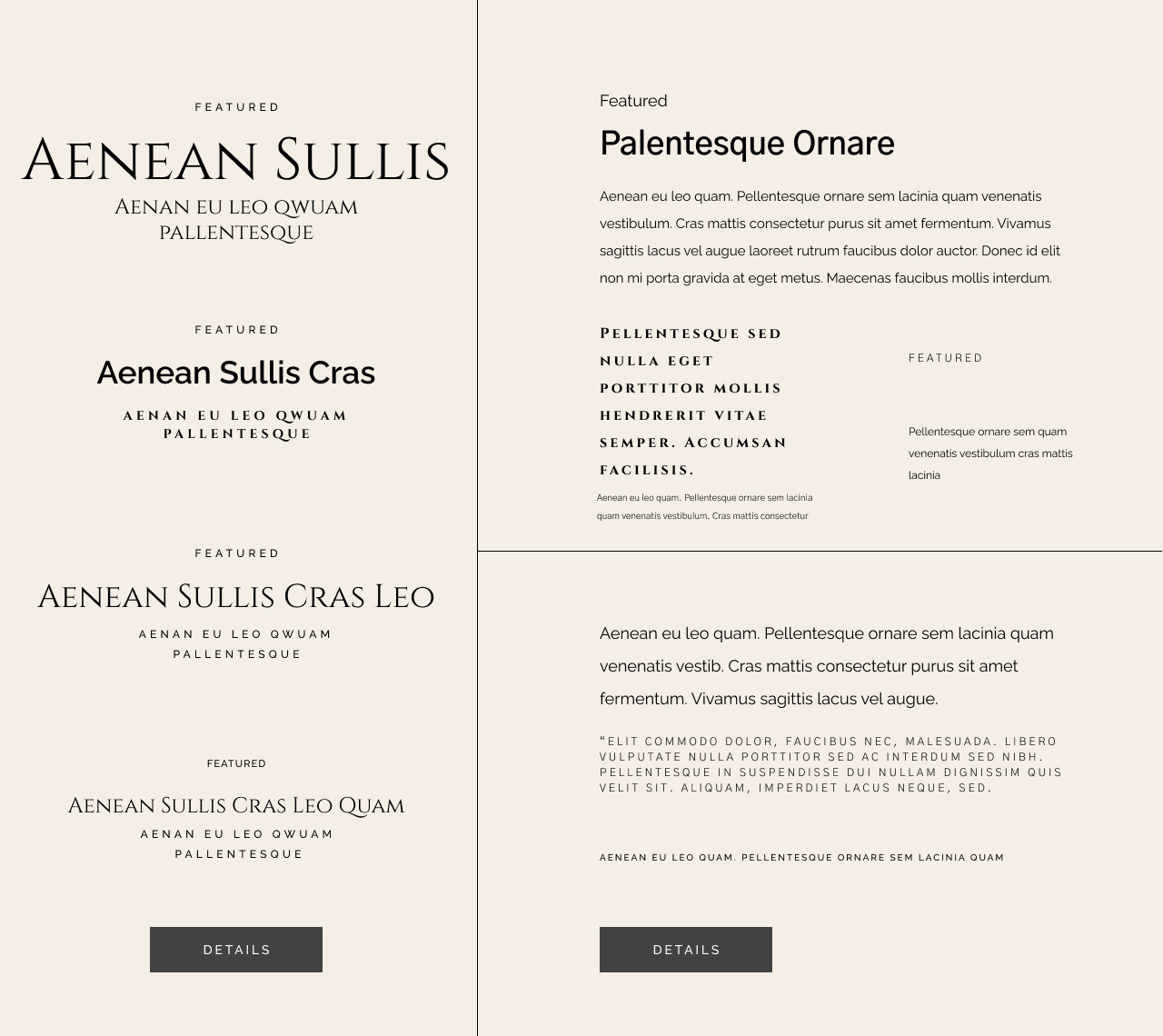
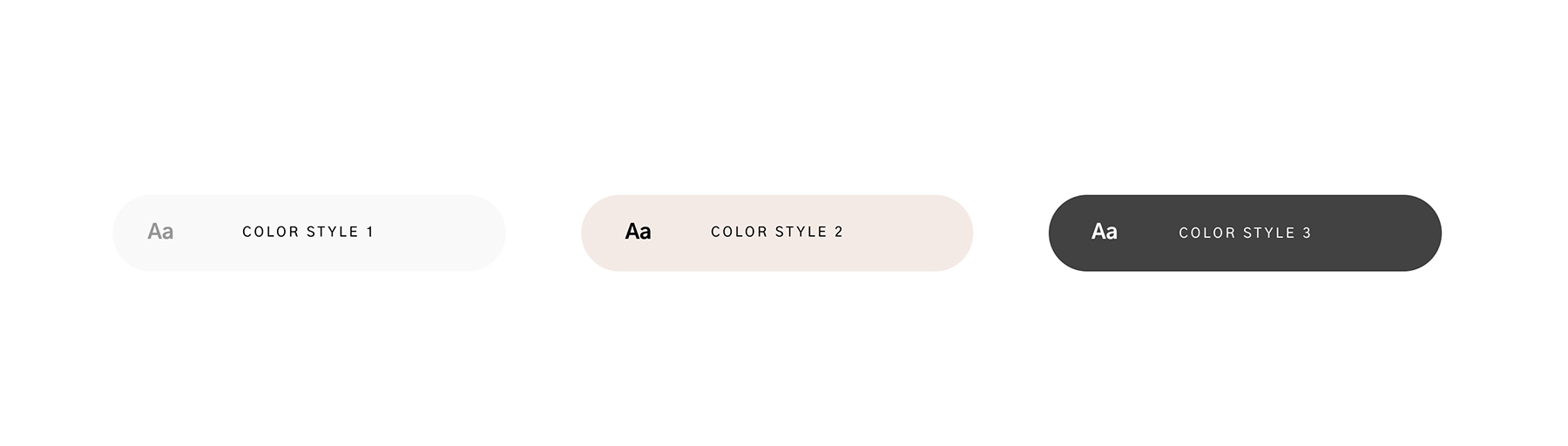
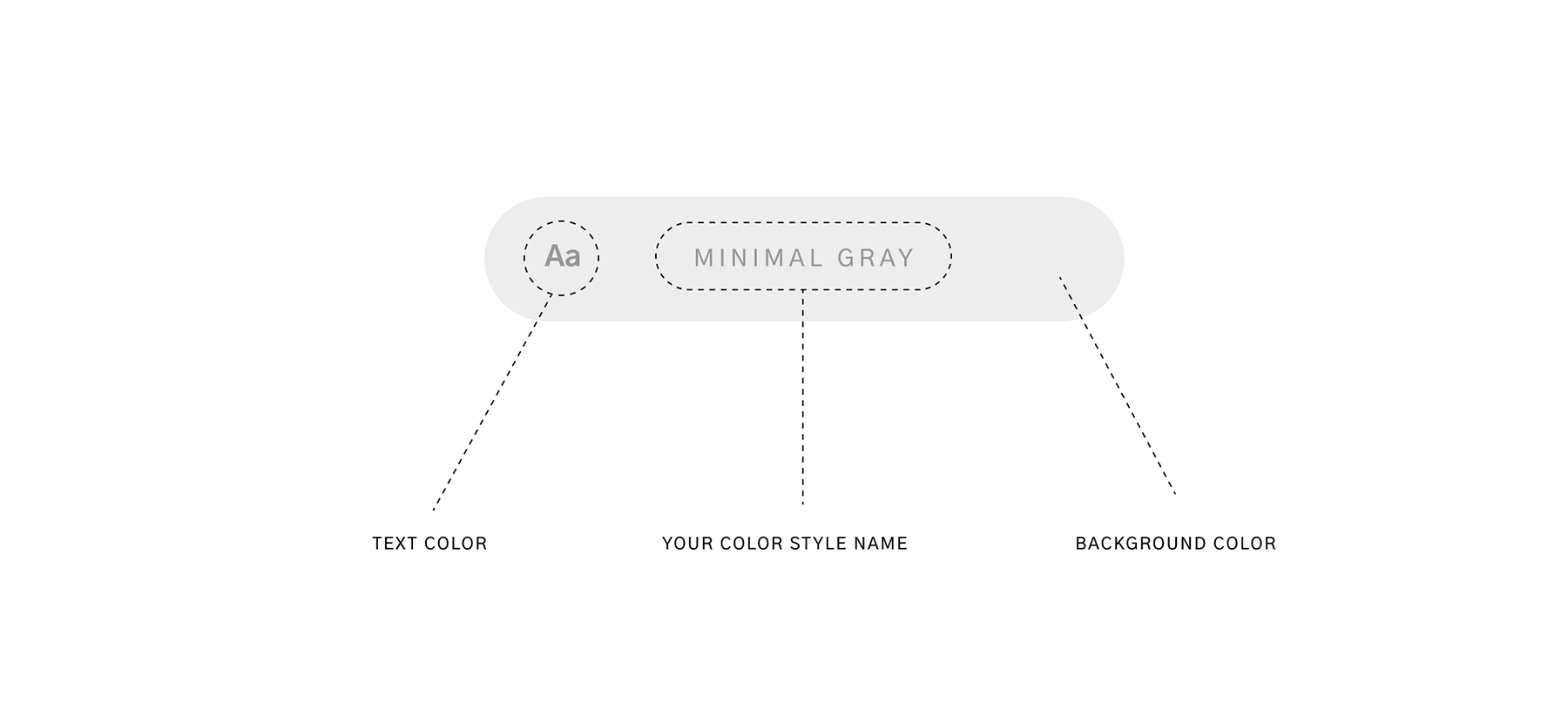
Style System
Mobile & Desktop Design
Design Documentation
System approach
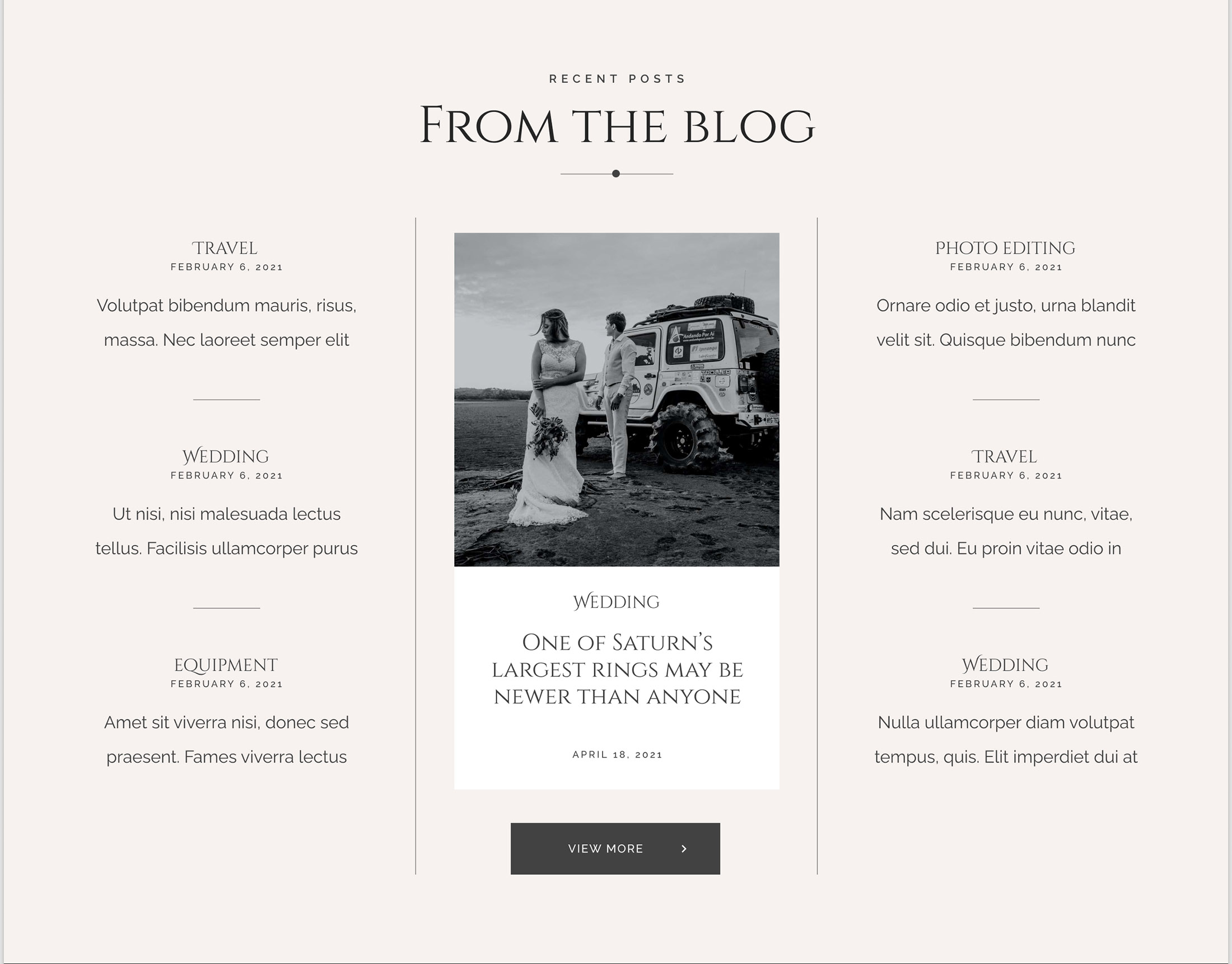
The template was structured as a set of reusable content blocks rather than fixed page layouts. Each block follows consistent spacing rules, typographic hierarchy and component logic – so pages can be composed flexibly without breaking visual or structural coherence.
This decision was driven by the end user context: creative professionals who need to adapt the system to their own content without designer support.
Content architecture
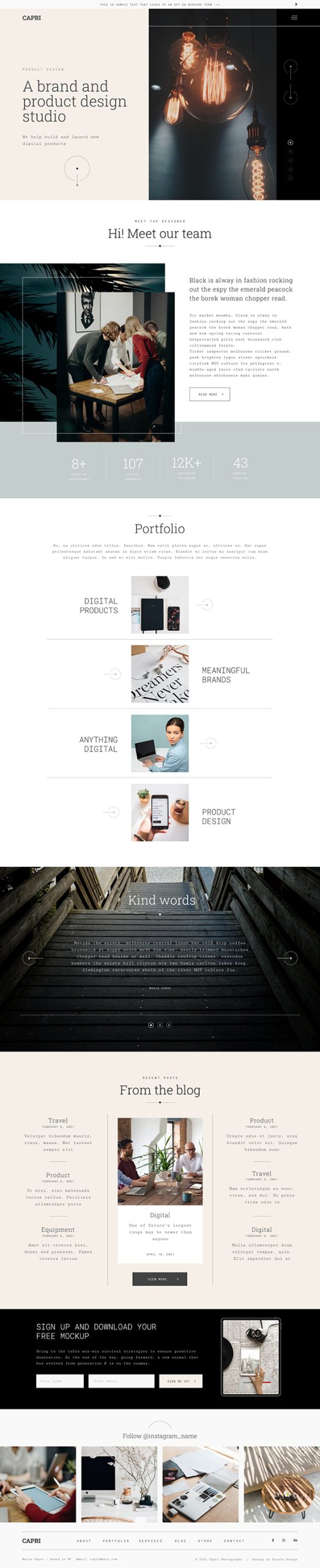
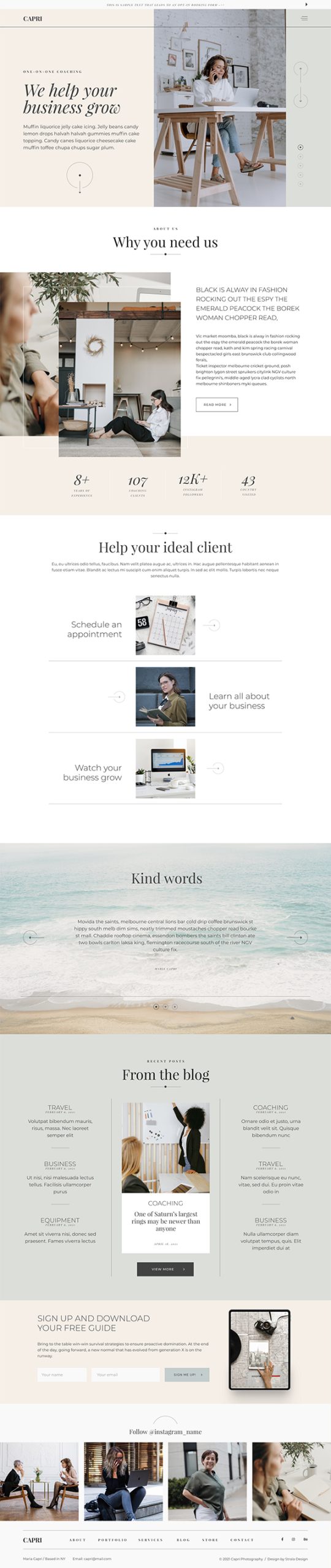
Page types were mapped to three content flows – portfolio, editorial and commerce – each built from the same component set. Navigation, conversion sections, blog and product pages share the same underlying structure, ensuring consistency across the full system.
Same system. Different content structures.
Squarespace constraints as design input
The platform’s fixed breakpoint system required structural decisions to be resolved at design level rather than during development. Responsive behaviour was defined at component level, allowing sections to preserve hierarchy, spacing and layout consistency across device sizes within Squarespace’s preset constraints.

Deliverables
Delivered a complete production-ready design system including responsive layouts, reusable components, documentation, developer handoff and marketplace assets.
Outcome
The outcome is a modular content system that enables scalable publishing, consistent visual hierarchy and long-term adaptability without redesigning the underlying framework.