UX Architecture · Information Architecture · Information Design System
Designed the information architecture and UX framework for a national digital assessment platform, transforming a complex OECD-based methodology into a structured, accessible user experience.
CLIENT
Overview
Andragoški center Slovenije
(Slovenian Institute for Adult Education)
The project required translating complex assessment methodology into a structured, step-by-step digital experience – ensuring clarity, privacy and reliable data handling at scale.
I designed the platform from the ground up, including its information architecture, UX flows, interface system, visual identity and administrative experience.
SCOPE
Information Architecture
UX Architecture
Interaction Design
Administrative Workflows
ROLE
Sole designer – concept to delivery
FOCUS
Progressive disclosure
Role-based information architecture
Secure assessment workflows
UX Architecture
I designed a progressive assessment flow that revealed only the information users needed at each step, reducing cognitive load while preserving security and procedural integrity.
Interaction patterns were designed to reduce cognitive load for users with different digital literacy levels while maintaining strict procedural and security requirements.
Assessment system
The assessment architecture supports adaptive competency modules while maintaining a consistent interaction model across the entire user journey.
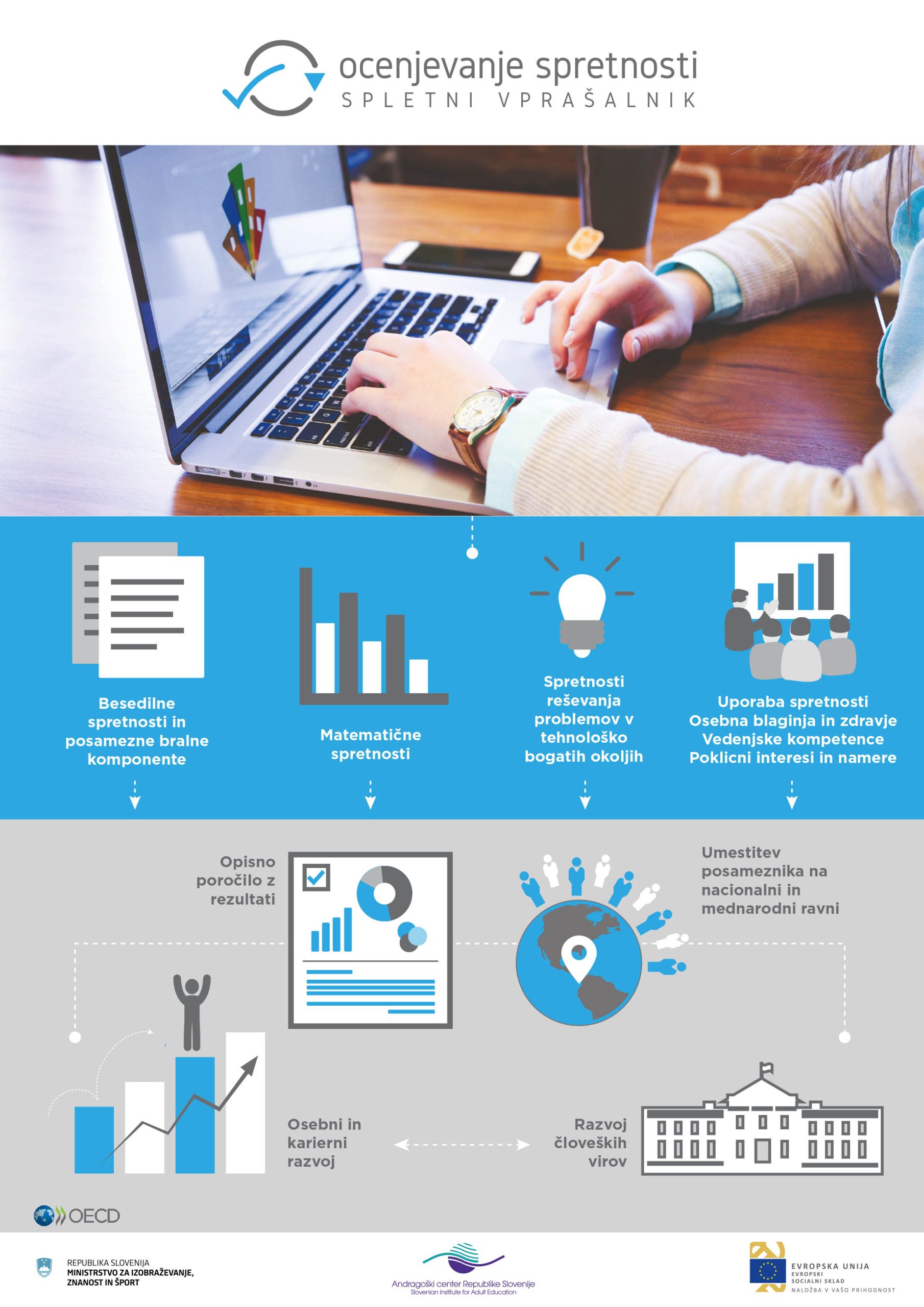
Brand Identity
The identity system was developed specifically for the digital assessment environment. The symbol integrates a circular structure, a pencil tip and a confirmation mark – representing assessment, validation and completion. The visual identity was designed as a scalable system for both digital interfaces and institutional communication materials.
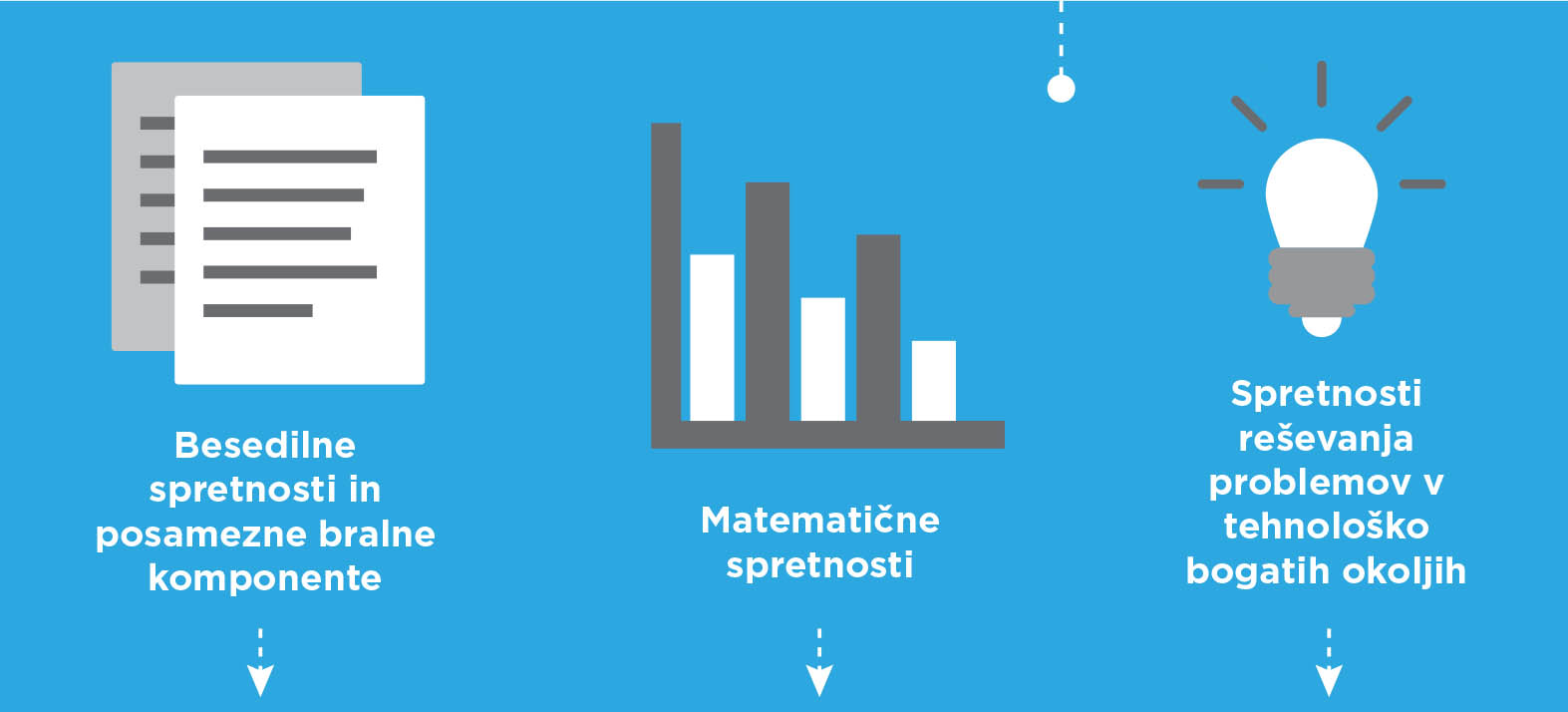
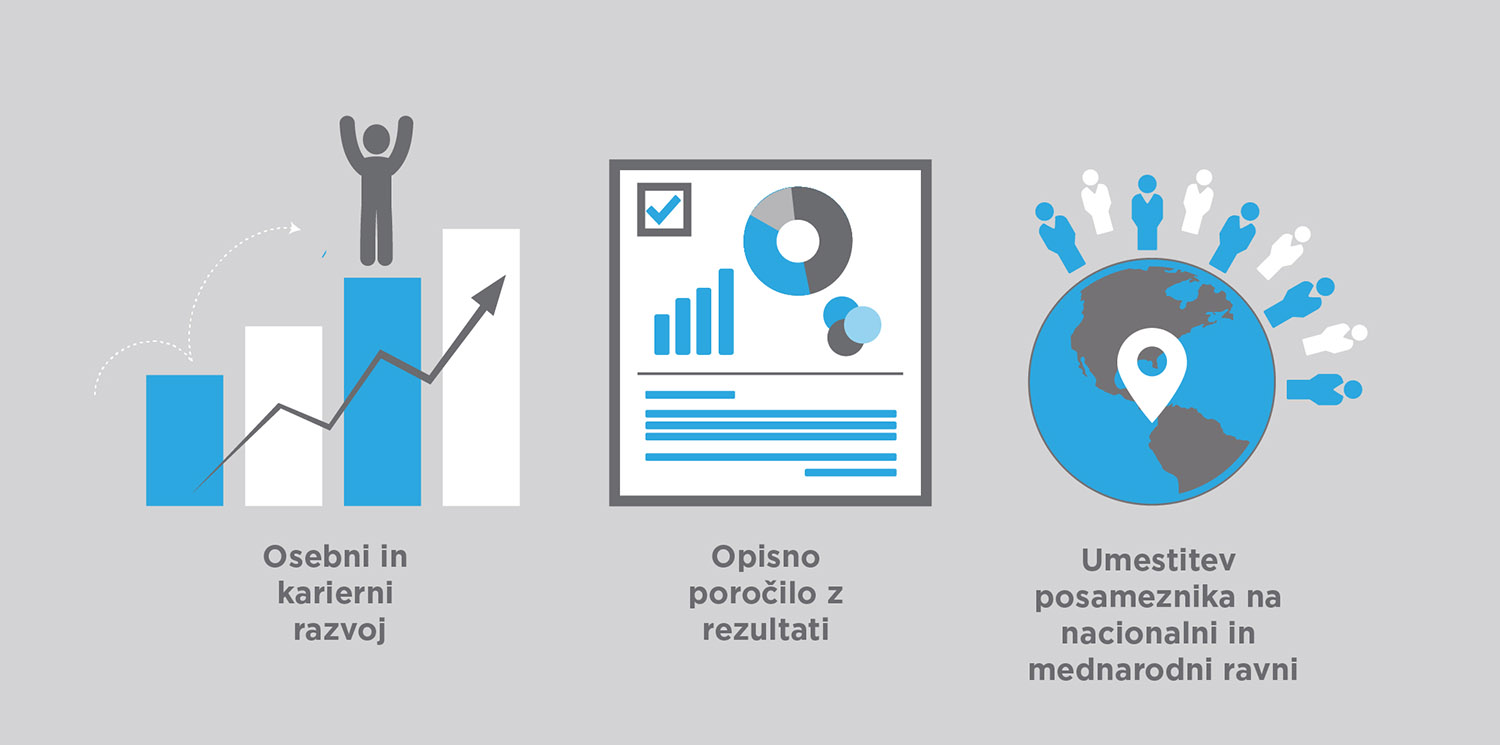
Information design system
Designed an information system that translates complex OECD assessment methodology into an accessible visual hierarchy connecting personal results with national and international benchmarks.
Administrative system
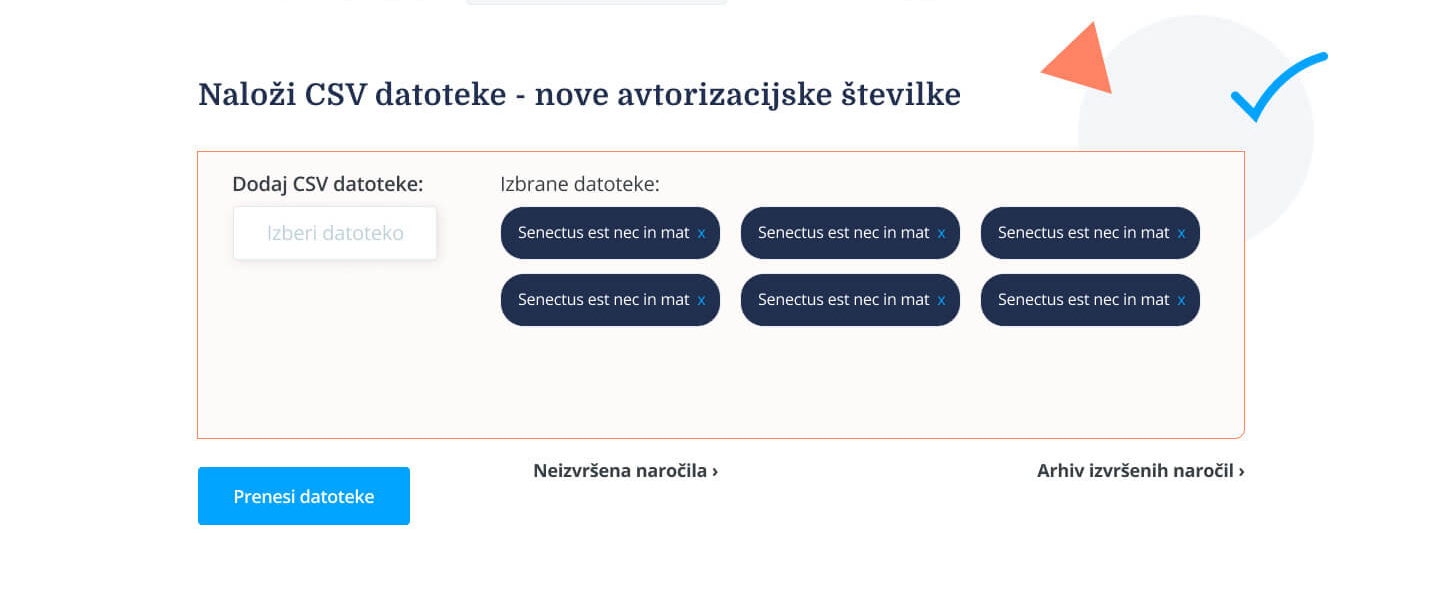
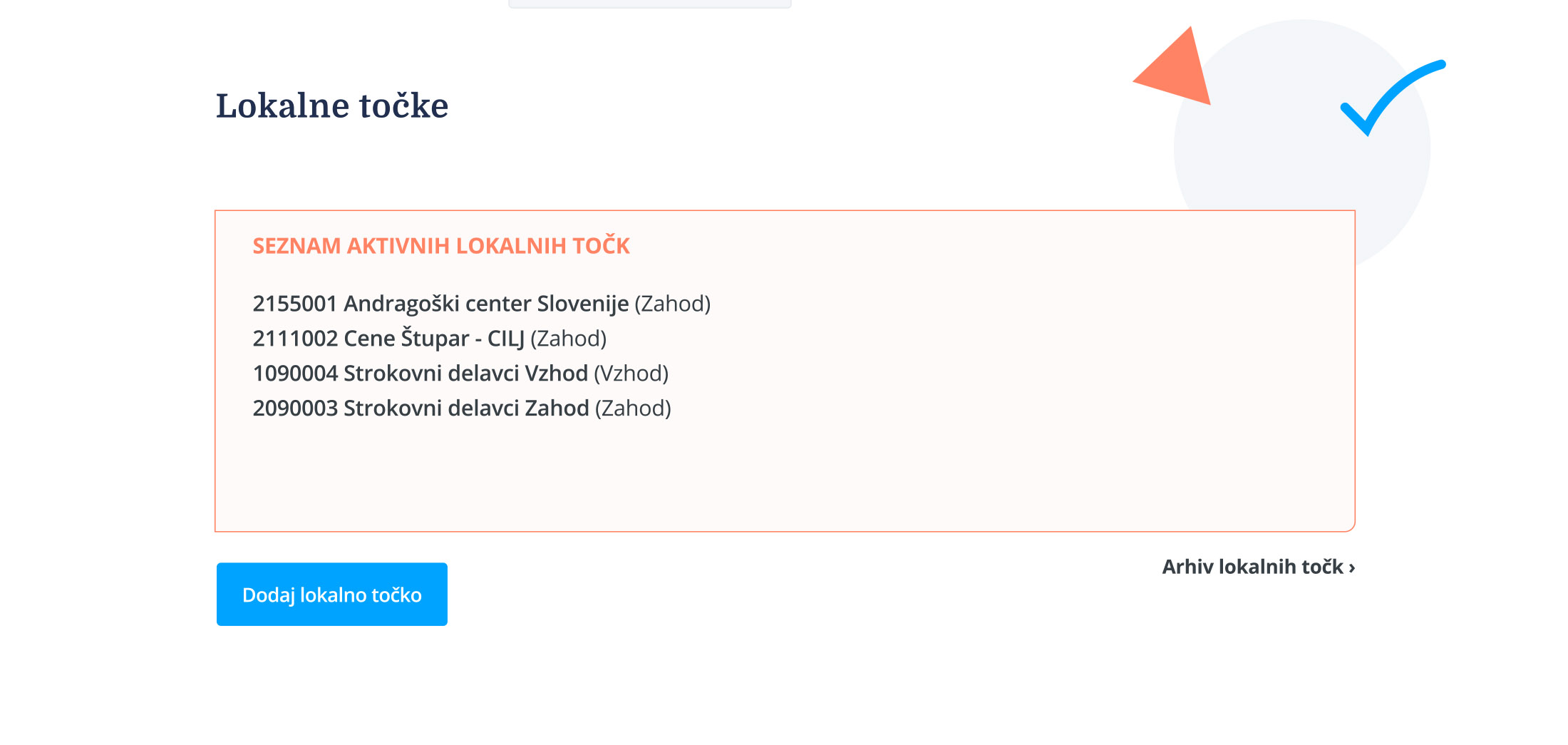
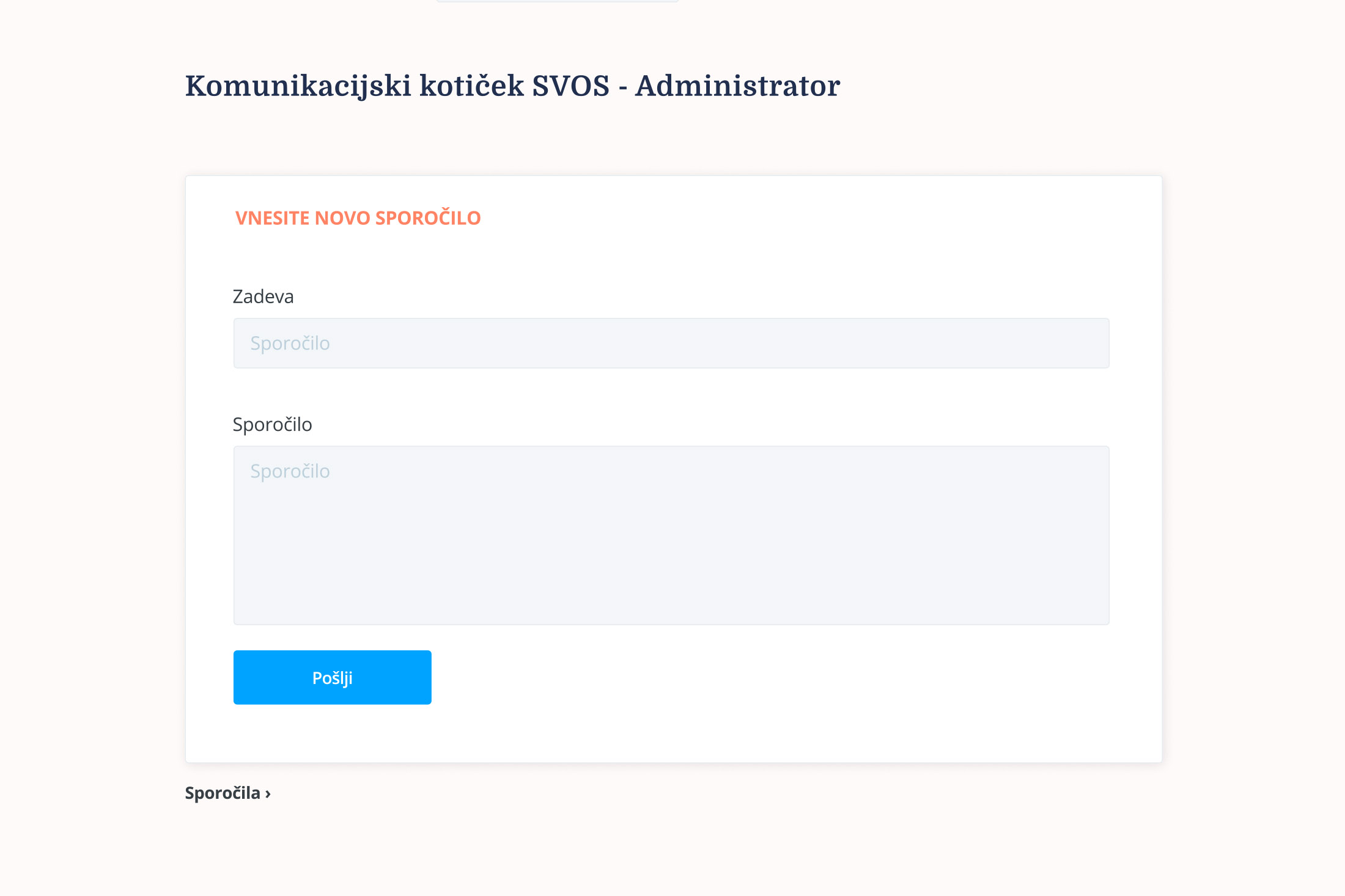
Designed a role-based administrative system supporting national coordinators and regional collaborators through structured permissions, secure workflows and distributed data management.
The interface was designed around technical constraints to ensure scalability, maintainability and long-term system consistency.
Batch upload workflows were designed to minimize input errors, improve validation feedback and maintain database consistency.
Implementation
Key design contributions:
- Defined information architecture
- Designed complete UX flows
- Created interaction patterns
- Designed administrative workflows
- Aligned UX with technical constraints
- Collaborated with developers throughout implementation
Communication materials
The visual system was extended into selected print materials to ensure consistency across digital and institutional touchpoints.
Outcome
The project demonstrates my ability to design complex digital systems that combine information architecture, interaction design and administrative workflows into scalable national platforms.